

Modern life often feels like a constant balancing act. We juggle work and rest, productivity and presence, ambition and wellbeing. Podcasts, conversations, and personal stories increasingly explore this idea of balance—how we stay grounded while navigating fast-moving environments.
Dubai is one of those environments. It is dynamic, ambitious, and always in motion. For visitors and temporary residents, the city can feel both inspiring and overwhelming. Finding balance here requires intentional choices, especially when it comes to daily routines and movement.
Travel, Mindset, and the Pace of a City
When we travel, we carry our internal rhythm with us. Some cities invite slowness; others demand energy and focus. Dubai belongs firmly in the second category. Distances are large, schedules are full, and the city rewards efficiency.
Without structure, this intensity can lead to fatigue. Long waits, constant coordination, and unpredictable movement add cognitive load to an already stimulating environment. Over time, these small stressors can affect mood, focus, and overall experience.
Why Movement Influences Mental Balance
Movement is not just physical—it is mental. How we move through space affects how we feel emotionally and psychologically.
When transportation is chaotic or unreliable, people often experience:
- Frustration and impatience
- A sense of lost control
- Reduced presence in the moment
Conversely, predictable and autonomous mobility supports calm, clarity, and focus. It creates a sense of agency, which is essential for mental balance.
This is why many travelers in Dubai choose to rent a car dubai as part of their approach to staying grounded in a high-energy city.
Creating Space Between Moments
Balance is often found in transitions. The moments between meetings, activities, or experiences allow us to process, reflect, and reset.
Driving offers a unique kind of transition space:
- Time alone with thoughts or music
- A pause between social interactions
- A sense of continuity between different parts of the day
In a city where stimulation is constant, these quiet moments matter.
Designing Days With Intention
One of the themes often explored in personal conversations and podcasts is intentional living—designing days rather than reacting to them. Mobility plays a key role in this process.
With personal transportation, it becomes easier to:
- Start the day early or late based on personal energy
- Build routines that include rest and movement
- Avoid feeling rushed by external schedules
This flexibility supports a more mindful relationship with time.
Dubai and the Art of Self-Regulation
Dubai offers endless opportunities: events, experiences, networking, exploration. While this abundance is exciting, it also requires self-regulation.
Mobility supports this by allowing individuals to choose:
- When to engage and when to step back
- Which environments feel energizing versus draining
- How much stimulation to allow into a day
Having control over movement makes it easier to listen to personal needs.
The Psychological Comfort of Control
Control is not about rigidity; it is about safety. Knowing you can leave when you want, change plans, or take a different route provides psychological comfort.
This sense of control:
- Reduces background anxiety
- Supports decision-making
- Encourages exploration without fear
In unfamiliar environments, these factors significantly influence mental wellbeing.
Balance for Creators and Thinkers
Many people visiting Dubai are creators, entrepreneurs, or thinkers—individuals who rely on mental clarity and focus. For them, the environment must support creativity rather than drain it.
Personal mobility allows:
- Quiet time before or after intense work
- Smooth transitions between creative and social spaces
- Reduced cognitive load from logistics
This supports deeper thinking and more meaningful output.
Conversations, Connection, and Movement
Meaningful conversations rarely happen when people are stressed or rushed. Whether traveling alone or with others, the ability to move calmly through the city creates space for connection.
Shared drives often become:
- Moments of reflection
- Opportunities for deeper conversation
- Time to decompress together
These experiences shape how people remember a place.
Staying Present in a Fast City
Presence is a recurring theme in discussions about balance. It requires attention, energy, and the absence of unnecessary stress.
When transportation is seamless:
- Attention shifts from logistics to experience
- Energy is preserved for meaningful moments
- Presence becomes easier to maintain
In a city like Dubai, this can transform the entire experience.
Long Stays and Sustainable Balance
Balance is not a one-day achievement. For those staying in Dubai for weeks or months, sustainability becomes essential.
Sustainable balance includes:
- Predictable routines
- Reduced daily friction
- Comfortable transitions
Mobility that aligns with these principles becomes a foundation rather than a convenience.
Learning to Move With the City
Every city teaches a lesson. Dubai teaches efficiency, ambition, and adaptability. Learning to move with the city—rather than against it—requires tools that support autonomy and awareness.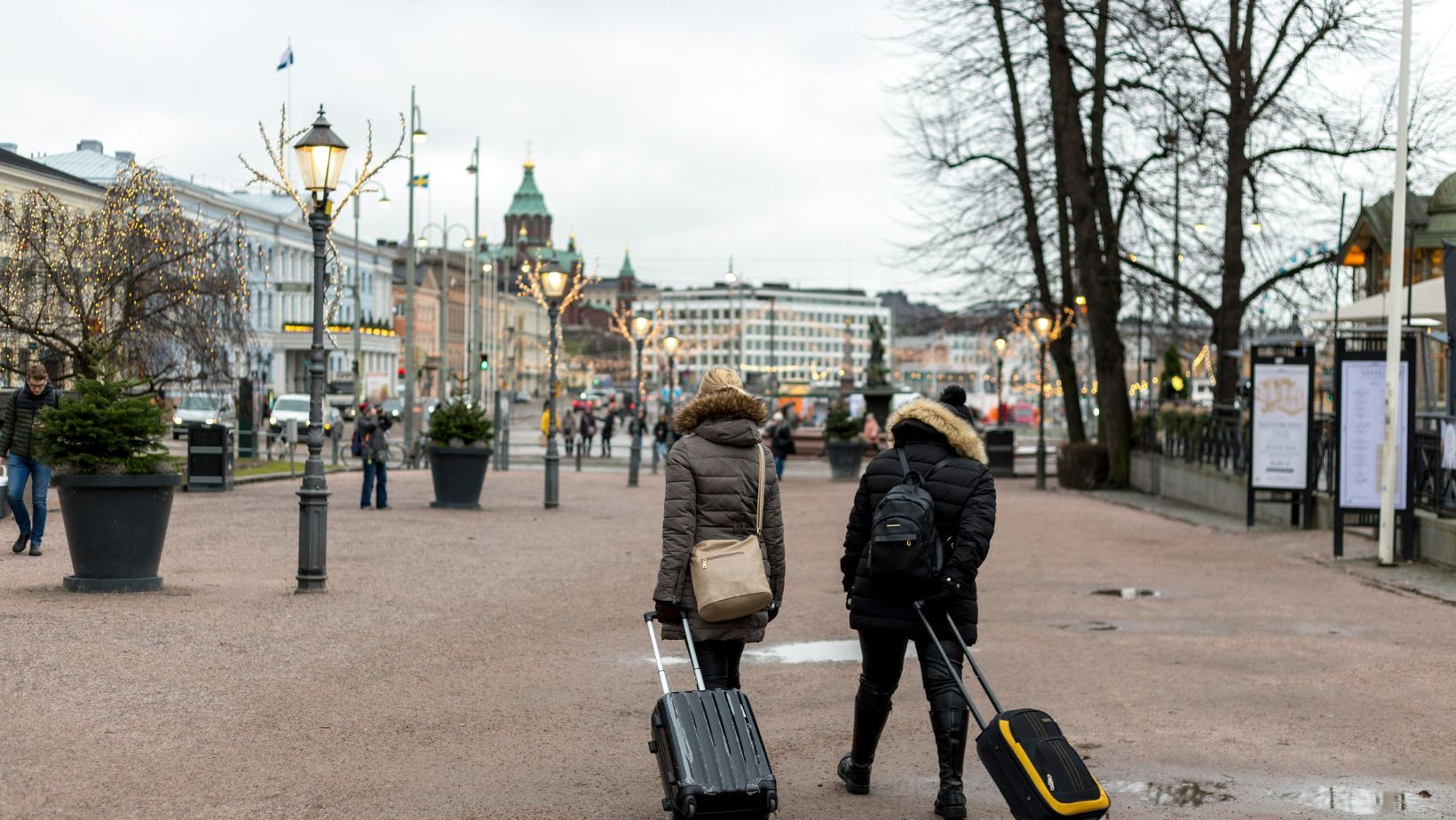
Transportation is one of those tools. When movement feels natural and controlled, the city becomes less overwhelming and more inspiring.
Final Thoughts
Balance is not found by slowing down everything around us, but by choosing how we engage with it. In a city as dynamic as Dubai, mobility quietly shapes that choice.
By creating ease, predictability, and space for reflection, personal transportation supports a more mindful travel experience. It allows visitors to stay connected to themselves while engaging fully with the city’s energy.
In the end, finding balance in Dubai is about aligning movement with intention—turning a fast-paced environment into a place of growth, clarity, and meaningful experience.